








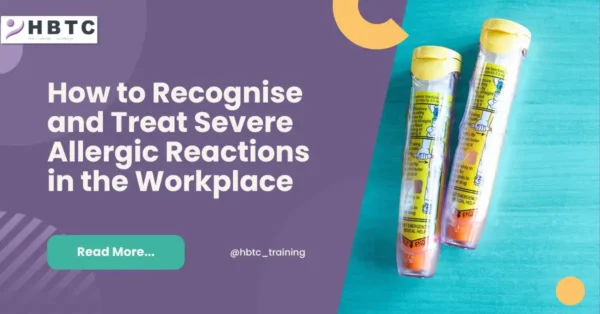
How to Recognise and Treat Severe Allergic Reactions in the Workplace
Spring brings flowers and warmer weather, but for some, it also brings the risk of severe allergic reactions. As an apprenticeship and training provider, we want everyone to know how to spot anaphylaxis and act fast to keep colleagues and apprentices safe.
What Is Anaphylaxis?
Anaphylaxis is a life-threatening allergic reaction that can happen very quickly. Even tiny exposure can trigger a severe reaction, so recognising the signs is critical. Common triggers include:
- Foods: peanuts, tree nuts, fish, shellfish, eggs, milk, sesame seeds, kiwi
- Medications: antibiotics or NSAIDs
- Insect stings: wasps or bees
- Latex or other allergens
- Sometimes the exact reaction is unknown
Recognising the ‘Red Flags’
Anaphylaxis affects the Airway, Breathing, and Circulation (ABC). Watch for these warning signs:
Airway
- Swelling of the throat, tongue, or lips
- Difficulty swallowing or a hoarse voice
- Tightness in the throat
Breathing
- Wheezing or noisy breathing
- Trouble catching a breath or rapid breathing
Circulation
- Feeling faint, dizzy, or confused
- Pale, blue, or grey skin (on darker skin, check palms or soles)
- Cold, clammy skin
Other symptoms can include nausea, vomiting, abdominal pain, hives, or a raised, itchy rash.
Responding to Severe Allergic Reactions in the Workplace
As a colleague, you can play a vital role in keeping other members of staff safe. If someone shows signs of anaphylaxis, act quickly:

1. Use an Adrenaline Auto-Injector
If the person has one (e.g., an EpiPen or Jext):
- Sit or lie them down
- Inject into the outer thigh (two-thirds down from the hip) and hold for the recommended time
- If symptoms do not improve after 5 minutes, use a second injector
2. Call 999 Immediately
Tell the operator the person is experiencing anaphylaxis.
3. Keep Them Safe
- Have them lie down with legs raised unless they are struggling to breathe, then allow them to sit up slightly
- If unconscious, place them in the recovery position
- If reacting to a bee/wasp sting, remove stings from bees/wasps by scraping them off; do not squeeze
4. Stay Calm and Monitor
- Do not let them walk or stand
- Reassure them and stay with them until help arrives
Even if they recover, they must be taken to the hospital for observation, as symptoms can recur.
Preventive Actions to Support Colleagues
- Know who’s at risk and communicate openly about allergies. For example, if someone in your team tells you that they suffer from a nut allergy, avoid bringing nuts into the workplace.
- Spot early warning signs and respond immediately.
- Prevent accidental exposure by clearly labelling foods and avoiding allergens in shared spaces.
Prevention Tips
- Encourage those at risk to carry two adrenaline auto-injectors.
- If you suffer from severe allergies, check expiry dates on your auto-injectors regularly and replace as needed.
- Teach colleagues how to use auto-injectors.
- Consider medical alert jewellery to identify allergies in emergencies.
Severe allergic reactions are rare, but recognising the symptoms and responding quickly can save lives. By staying alert, prepared, and supportive, you help create a safer workplace for everyone.
More information can be found by the NHS wesbite.
You may also be interested in…


Emily Simpson
Emily is our Digital Marketing/Learner Engagement Apprentice and is involved with all things social media and content development. She is also responsible for attending career events and maintaining relationships with local schools and colleges.