








Understanding Terrorism and Online Radicalisation: Information for Young People, Parents and Carers
Terrorism is not always organised, obvious or driven by a clear belief system. In today’s digital world, some people, particularly young people, can be drawn towards terrorism and extreme violence through what they see, read and engage with online, often without realising how serious the influence has become.
This article explains how modern terrorism can develop, why lone-actor and copycat attacks are a growing concern, and how online spaces can increase risk.
What does terrorism look like today?
Terrorism involves serious violence, or the threat of violence, intended to cause fear or harm to the public. While some terrorist acts are linked to organised groups or ideologies, there has been a significant rise in individuals acting alone, influenced by online material rather than direct contact with extremist networks.
These lone-actor terrorists often develop their ideas in isolation, which makes their behaviour harder to detect and prevent. Experts in cyber extremism have highlighted that this type of threat is particularly dangerous because there are fewer warning signs and fewer opportunities for early intervention.
Copycat terrorism and the search for notoriety
Experts on online radicalisation have warned that copycat terrorism now presents a serious risk. When a high-profile attack receives widespread attention, it can inspire others who are already vulnerable or fixated on violence.
Research shows that some individuals are motivated less by ideology and more by:
- A desire to be noticed or remembered
- Obsession with previous attackers
- The attention and notoriety attacks receive online
- The belief that violence will give their life meaning
This desire for “infamy” can be reinforced through online content that repeatedly focuses on attackers rather than victims.
How online spaces can increase risk
Online platforms play a key role in spreading terrorist-related material, and engaging with this content can escalate curiosity into fixation.
- Social media and messaging apps can expose young people to violent content and private discussions that reinforce extreme views.
- Websites may host extremist documents or propaganda disguised as information or research.
- Gaming platforms and forums can sometimes include violent language or links to terrorist material through chat functions.
Radicalisation without ideology
Not everyone who becomes involved with terrorism starts with a clear belief system. In many cases, radicalisation is driven by personal vulnerability rather than ideology.
Risk factors can include:
- Social isolation or bullying
- Mental health difficulties
- Feelings of anger, rejection or worthlessness
- A strong interest in violence or previous attacks
Terrorist narratives can exploit these emotions, offering a false sense of purpose, belonging or control.
Warning signs linked to terrorism risk
There is no single sign that confirms radicalisation, but concerning patterns may include:
- Fixation on terrorist attacks or attackers
- Repeatedly viewing, saving or discussing extremist material
- Talking about violence in admiring or dismissive ways
- Researching weapons or potential targets
- Increasing secrecy around online behaviour
Recognising these signs early allows safeguarding support to be put in place before harm occurs.
What parents and carers can do
Parents and carers are often the first to notice changes. Acting early can prevent situations from escalating. Helpful steps include:
- Having open, non-judgmental conversations about terrorism and online content
- Taking an interest in what young people are watching, reading or discussing
- Encouraging critical thinking about what they see online
- Seeking advice early if something feels concerning
Advice for young people
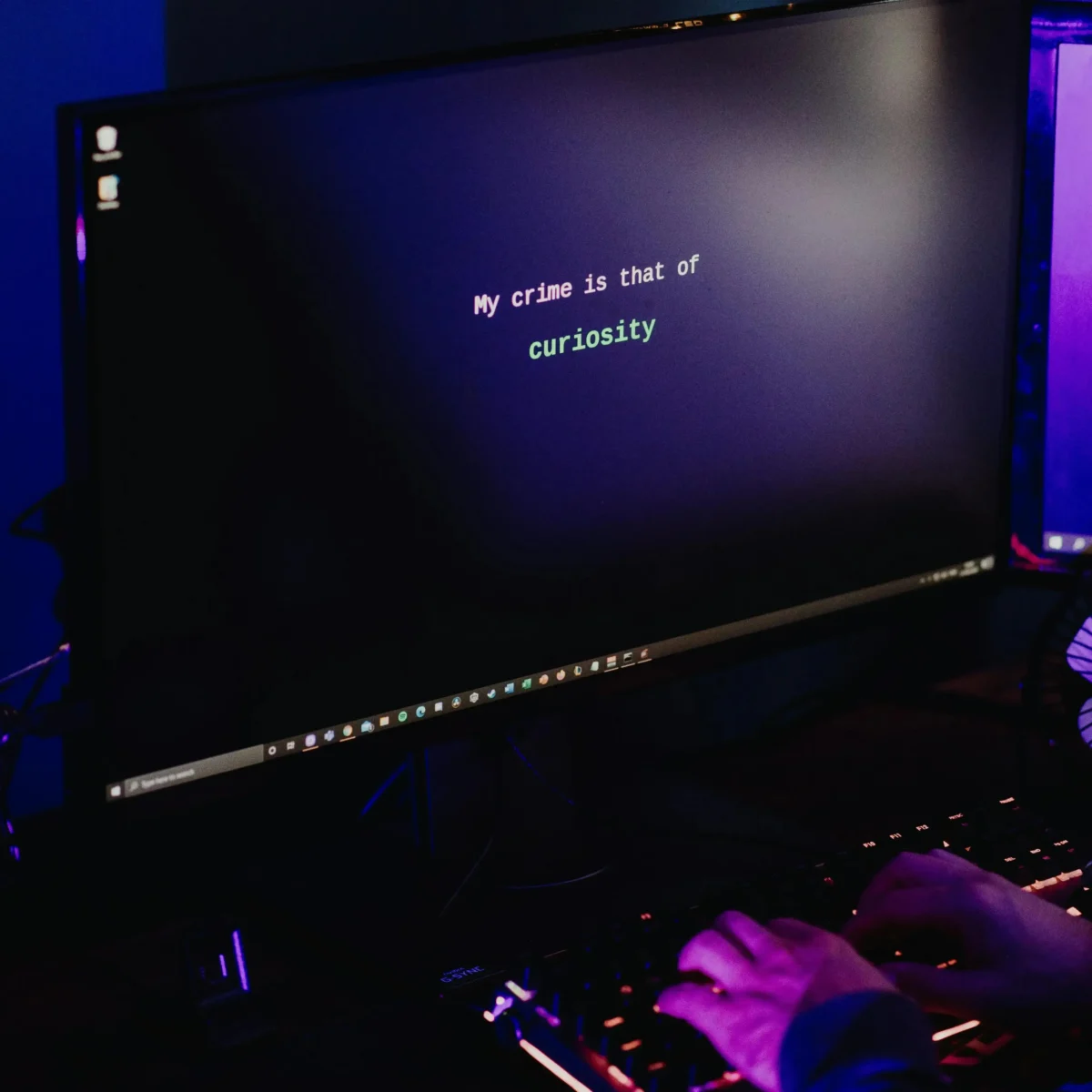
Curiosity is normal, but some content is designed to manipulate and harm. Asking for help is about safety, not blame. If you encounter terrorist content online:
- Do not engage with, save or share it
- Report it using the platform’s tools
- Talk to a trusted adult, teacher or carer
Keeping communities safe
Experts agree that lone-actor and copycat terrorism is one of the most difficult threats to detect and prevent. That is why awareness, communication and early safeguarding are so important.
By understanding how terrorism can develop through online influence, we can work together to protect young people, reduce risk and prevent serious harm.
If you are worried about someone, seek advice through safeguarding services or local Prevent support. Some of which are listed below:
- Gov.uk – Get help for radicalisation concerns
- Gov.uk – ACT Campaign
- ACT Early – Prevent Radicalisation and Extremism by Acting Early
- If an emergency – Always call 999
You may also be interested in…

Emily Simpson
Emily is our Marketing & Engagement Officer and is involved with all things social media and content development. She is also responsible for attending career events and maintaining relationships with local schools and colleges.